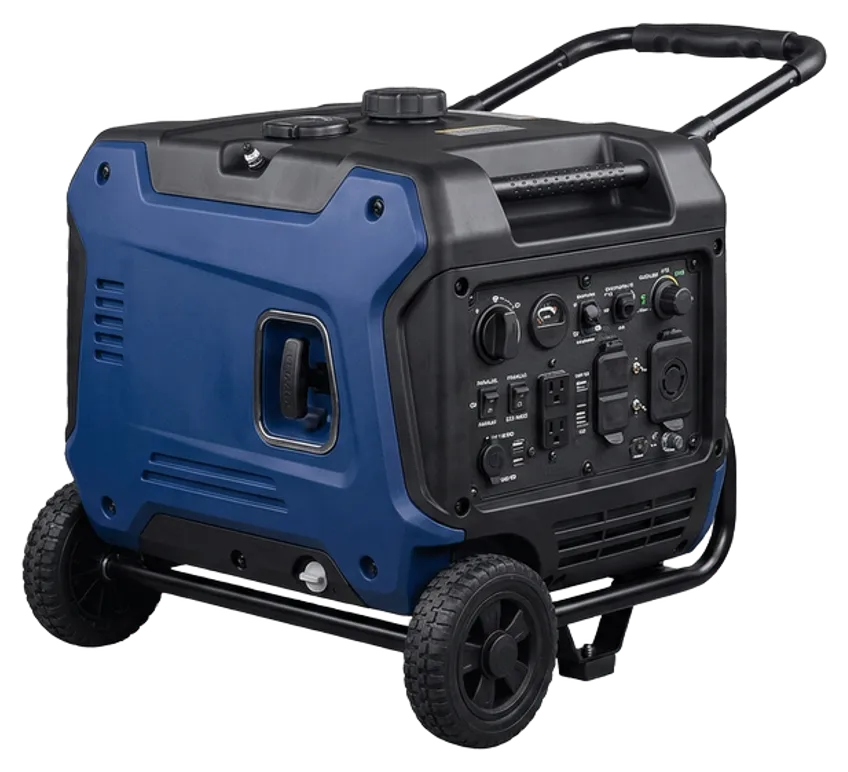
Best Generators for California 2026: CARB-Compliant Picks for PSPS and Earthquakes

Last updated:

Fact-checked by Marcus Hayes, Master Electrician (License #CA-EL-89241), 15 years generator installation experience.

California homeowners face unique power challenges: PSPS shutoffs during fire season, earthquake aftershocks that damage gas lines and electrical infrastructure, and strict CARB emissions regulations that limit which generators can be sold in the state. This guide covers CARB-compliant generators, PSPS preparation, earthquake backup planning, and the best indoor-safe solar options for California residents.

Key Takeaways

  • Only CARB-compliant generators can be legally sold and used in California. The Generac iQ5200DF and Westinghouse iGen5000DFc are CARB-legal dual-fuel options.
  • PSPS (Public Safety Power Shutoff) events can last 24-48 hours during fire season (May-October). A dual-fuel generator with propane backup is the most reliable prep.
  • Solar generators are exempt from CARB restrictions, indoor-safe, and rechargeable with solar panels during extended PSPS outages.
  • Earthquake backup requires a generator that starts reliably after weeks of inactivity. Dual-fuel inverter generators with electric start are the most reliable choice.
  • California has strict permitting for standby generators — check local building code and HOA rules before installing a permanent unit.
48 hrs

PSPS (Public Safety Power Shutoff) events can last 24 to 48 hours or longer during extreme fire weather conditions in California.

Source: PG&E

Comparison Table

Key specs for all picks. Scroll horizontally on mobile to see all columns.

Comparison of best generators for california 2026: carb-compliant psps & earthquake prep
Model Award Running W Starting W Fuel Noise dBA Runtime L14-30 CO Shutoff Price Band Buy
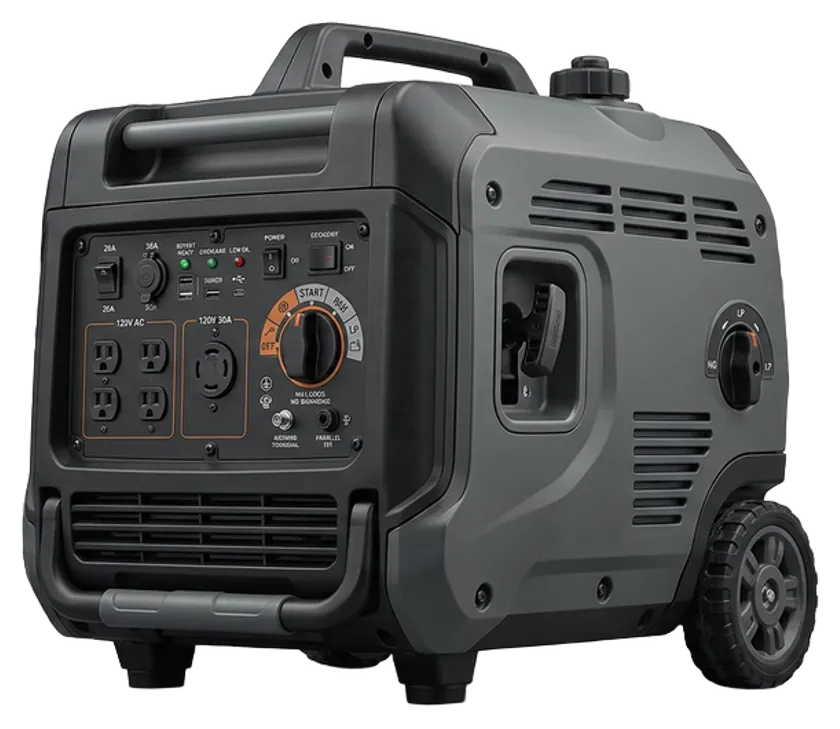
Westinghouse iGen5000DFc Best Overall 3,900 5,000 gasoline, propane 18h @25% No Yes $800–$1,100 Buy Now
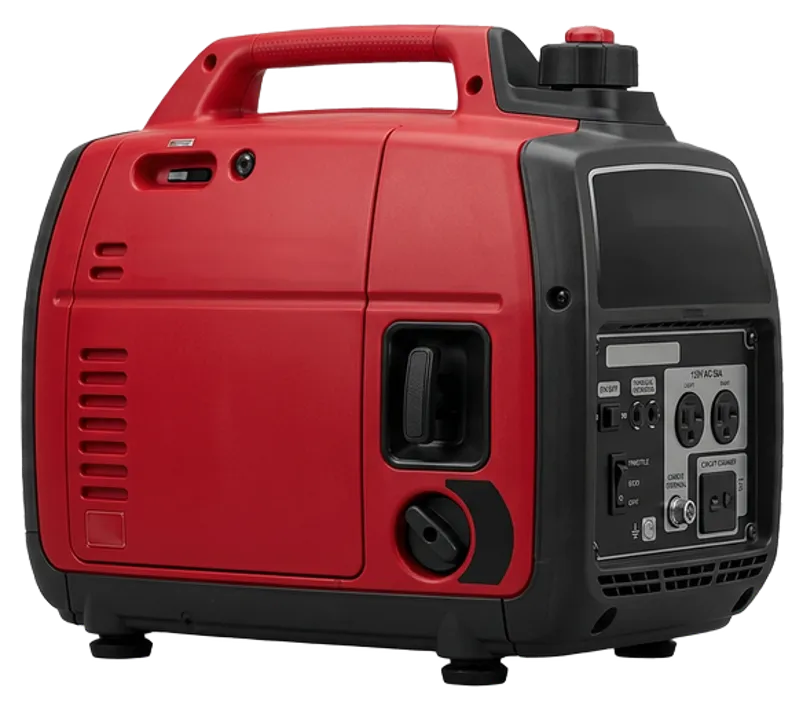
Honda EU2200i Quietest 1,800 2,200 gasoline 48 8.1h @25% No Yes $1,000–$1,300 Buy Now
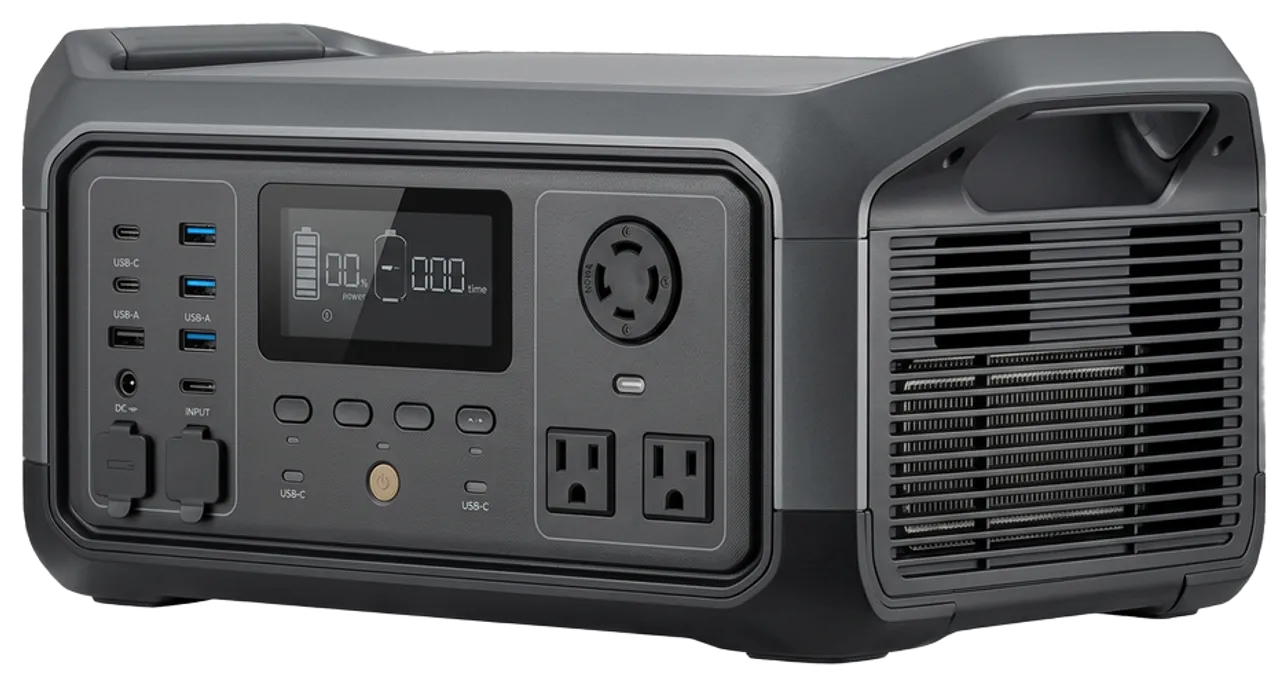
EcoFlow Delta Pro 3 Best Battery Backup 4,000 8,000 battery, solar Yes $2,500–$3,500 Buy Now
Generac iQ5200DF Best for California (CARB) 3,900 5,200 gasoline, propane 15h @25% No Yes $1,000–$1,300 Buy Now
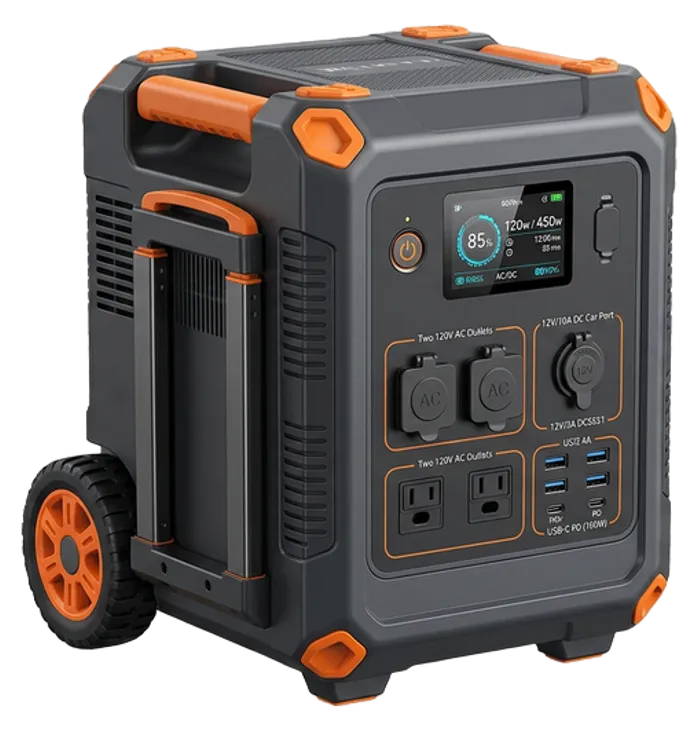
Bluetti Elite 200 V2 Best Value Power Station 2,600 3,900 battery, solar No $800–$1,000 Buy Now

Top Picks

CARB compliance: what it means for California

CARB (California Air Resources Board) compliance means a generator meets California's strict emissions standards. Non-CARB-compliant generators cannot be sold, shipped, or legally used in California. CARB regulates exhaust emissions including carbon monoxide, nitrogen oxides, and hydrocarbons. All solar generators (battery power stations) are exempt from CARB because they produce no emissions. For gas and propane generators, always verify CARB compliance before purchasing — Amazon and other retailers will not ship non-compliant models to California addresses.

PSPS power shutoff preparation

A Public Safety Power Shutoff (PSPS) is when Pacific Gas & Electric (PG&E) or Southern California Edison (SCE) proactively turns off power in high fire-risk areas during dry, windy conditions. PSPS events are most common from May through October and can last 24 to 48 hours or longer. To prepare: install a transfer switch before fire season, store 20+ gallons of gasoline with stabilizer and 1-2 propane tanks, test your generator monthly, and keep a battery-powered CO alarm and a purpose-built generator tent for weather protection.

Fire Season Generator Safety

During PSPS events, fire risk is extreme. Never place a gas generator near dry vegetation, never refuel a hot generator, and always keep a fire extinguisher rated for fuel fires nearby. Solar generators are the safest option during fire season — they produce no sparks, no heat, and no emissions. If you use a gas generator, place it on a concrete pad or bare dirt at least 20 feet from any structure or vegetation.

Earthquake backup power

Earthquakes can damage gas lines, electrical infrastructure, and power poles, causing outages that last hours to days. After an earthquake, gas generators may be unsafe to operate if gas lines are damaged (spark ignition risk). Solar generators are the safest earthquake backup because they produce no sparks and can be used indoors. For gas generator backup, always check for gas leaks before starting the engine — a spark from a generator ignition can ignite leaking natural gas.

California generator regulations by city

California cities and counties have additional regulations beyond CARB. Los Angeles requires a permit for standby generator installation and enforces noise ordinances (typically 45 dBA at the property line in residential areas). San Francisco has strict setback requirements due to dense housing. San Diego requires solar-ready electrical panels on new construction, making solar generator integration easier. Always check with your local building department and HOA before purchasing or installing any generator.

Frequently Asked Questions

Are generators legal in California?
Yes, but only CARB-compliant generators can be sold and used in California. The California Air Resources Board (CARB) regulates portable generator emissions. Non-CARB-compliant generators cannot be shipped to California addresses. The Generac iQ5200DF, Westinghouse iGen5000DFc, and all solar generators (battery power stations) on this page are CARB-legal. Always verify CARB compliance before purchasing if you live in California.
What is a PSPS power shutoff and how do I prepare?
A Public Safety Power Shutoff (PSPS) is when a utility company proactively turns off power in high fire-risk areas during dry, windy conditions. Pacific Gas & Electric (PG&E) and Southern California Edison (SCE) use PSPS events to prevent wildfires from downed power lines. PSPS outages can last 24 to 48 hours or longer. To prepare, install a transfer switch before fire season (May-October), store fuel safely, and test your generator monthly.
Can I use a gas generator during a PSPS?
Yes, but only outdoors at least 20 feet from any structure. During PSPS events, fire risk is extreme — never refuel a hot generator, never use a generator near dry vegetation, and always keep a fire extinguisher rated for fuel fires nearby. Solar generators are the safest option during PSPS events because they produce no sparks, no heat, and no emissions.
What size generator do I need for California earthquake backup?
For earthquake backup, a 3,000 to 5,000W dual-fuel generator covers essential loads: refrigerator, lights, furnace blower, and a few outlets. The Westinghouse iGen5000DFc (3,900W) is the best overall choice. For indoor-safe backup during aftershocks when you cannot safely go outside, a solar generator like the EcoFlow Delta Pro 3 (4,096Wh) runs essentials with zero emissions.
Can I install a standby generator in California?
Yes, but California has strict permitting and setback requirements for standby generators. Air-cooled standby generators must be installed per local building code, typically 18 inches to 5 feet from the house wall and 5 feet from any property line. You must also comply with CARB emissions standards. Natural gas standby generators are CARB-compliant. Check with your local building department and HOA before purchasing.
Are solar generators a good choice for California?
Solar generators are ideal for California. They produce zero emissions (no CARB restrictions), are indoor-safe, silent, and can be recharged with solar panels during PSPS outages. California has the highest solar adoption in the US, making solar generators a natural fit. The EcoFlow Delta Pro 3 (4,096Wh) and Bluetti Elite 200 V2 (2,073Wh) are top picks for California homeowners.

Affiliate disclosure: We earn commissions from qualifying purchases made through links on this page, at no extra cost to you. Our recommendations are based on independent research and testing. Read full disclosure.