Best Generators for Florida 2026: Hurricane Prep, Salt Air, and Propane Storage
Last updated:
Fact-checked by Marcus Hayes, Master Electrician (License #CA-EL-89241), 15 years generator installation experience.
Florida homeowners face the most active hurricane season in the US, with storms from June through November bringing wind damage, flooding, and extended power outages. Florida coastal homes also face salt air corrosion that degrades gas generators over time. This guide covers the best generators for Florida hurricane prep, salt air protection, propane storage, and standby generator installation for Gulf Coast and Atlantic Coast residents.
Key Takeaways
Florida hurricane season runs June 1 through November 30, with peak activity from August through October. Buy and test your generator before June 1 — not after a storm is named.
Dual-fuel generators are essential for Florida — gasoline shortages are common after hurricanes, but propane stores indefinitely and is easier to find.
Salt air corrosion affects gas generators on the Florida coast. Store generators indoors between uses and inspect metal components before each use.
Florida has one of the highest standby generator adoption rates in the US, driven by hurricane frequency. A Generac 22kW standby on natural gas provides automatic whole-house backup.
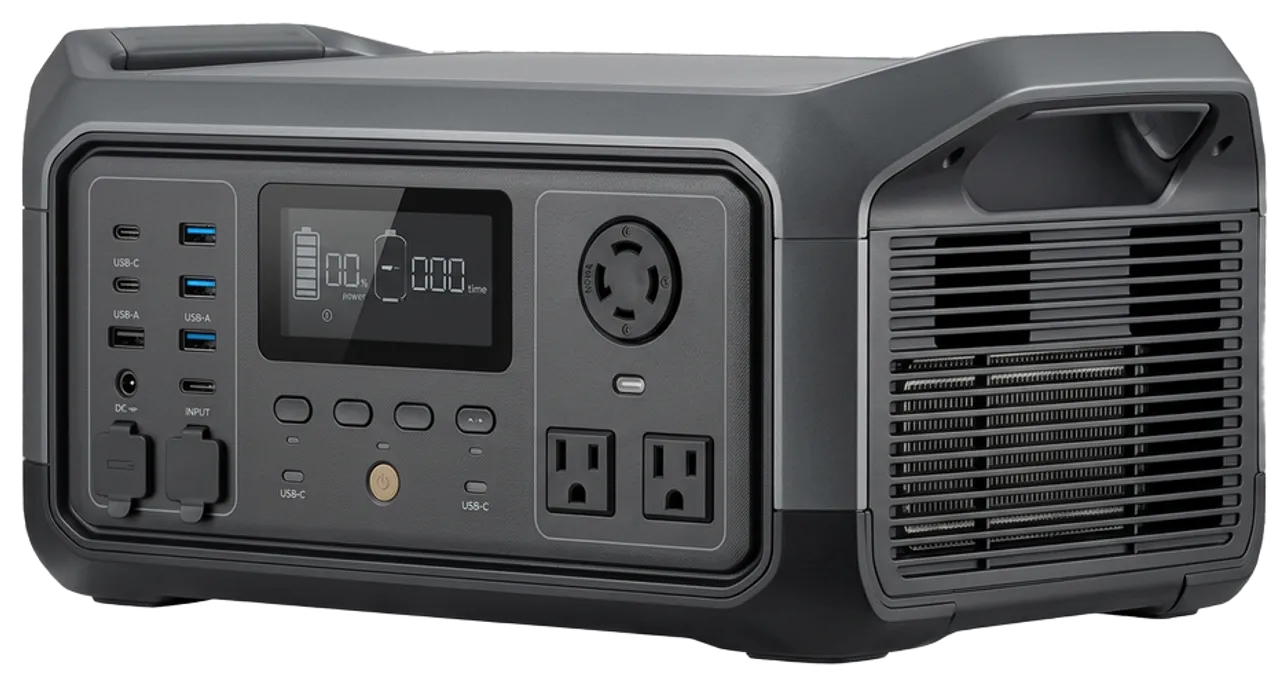
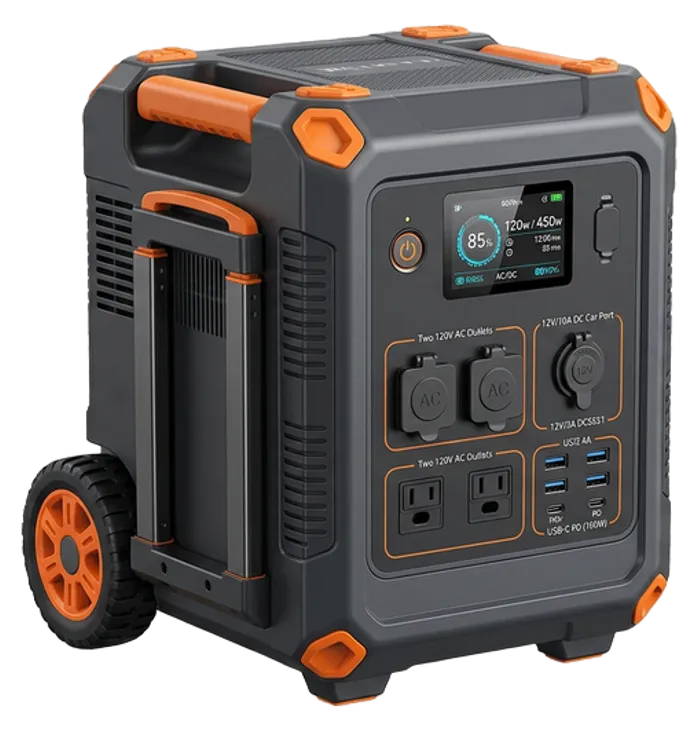
Solar generators like the EcoFlow Delta Pro 3 are ideal for indoor-safe backup during hurricanes when outdoor placement is hazardous due to wind and flooding.
June 1
Florida hurricane season begins June 1 and runs through November 30, with peak activity from August through October. Buy your generator before the season starts.
Florida hurricane season runs June 1 through November 30, with peak activity from August through October. Florida homeowners should buy and test a generator before June 1 — not after a storm is named. By then, stores are sold out, prices are gouged, and delivery takes weeks. Prepare by installing a transfer switch in April or May, storing 20+ gallons of gasoline with stabilizer and 1-2 propane tanks, and assembling a hurricane prep kit including a CO alarm, generator tent, and extension cords.
Florida Hurricane Generator Safety
During Florida hurricanes, the risk of carbon monoxide poisoning increases because generators are placed closer
to the home due to wind and rain. Never compromise the 20-foot rule. Use a purpose-built generator tent for rain
protection and secure the generator with tie-downs rated for 150+ mph winds. After the storm, inspect for water
damage before restarting. Solar generators can be used indoors during the storm for phones, lights, and CPAP.
Salt air corrosion protection
Florida coastal homeowners (Miami, Tampa, Jacksonville, Key West) face salt air corrosion that degrades metal components, fuel lines, and electrical connections on gas generators. To protect your generator: store it in a garage or shed between uses, apply corrosion-resistant spray to exposed metal parts, inspect fuel lines and electrical connections before each use, and rinse the exterior with fresh water after coastal use. Solar generators are less affected by salt air because they have no combustion engine or metal fuel system.
Florida standby generator adoption
Florida has one of the highest standby generator adoption rates in the US, driven by hurricane frequency and the
state's large single-family home stock. Generac dominates with 70% market share, offering 10kW to 26kW models
suitable for Florida homes. A 22kW Generac Guardian on natural gas provides automatic, whole-house backup that
starts within 30 seconds of an outage — no refueling, no manual setup, no outdoor placement during a storm.
Installation costs $8,000 to $15,000 including the generator, automatic transfer switch, and electrical work.
Florida building codes require specific wind-load ratings and setback distances for standby installations —
check with your local building department and HOA.
Frequently Asked Questions
What is the best generator for Florida hurricane season?
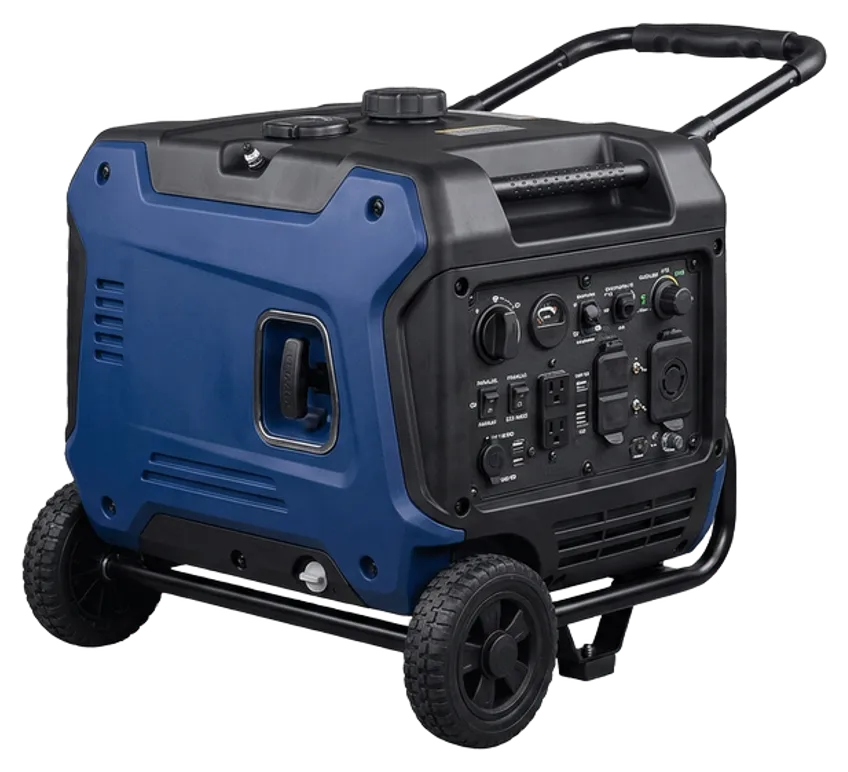
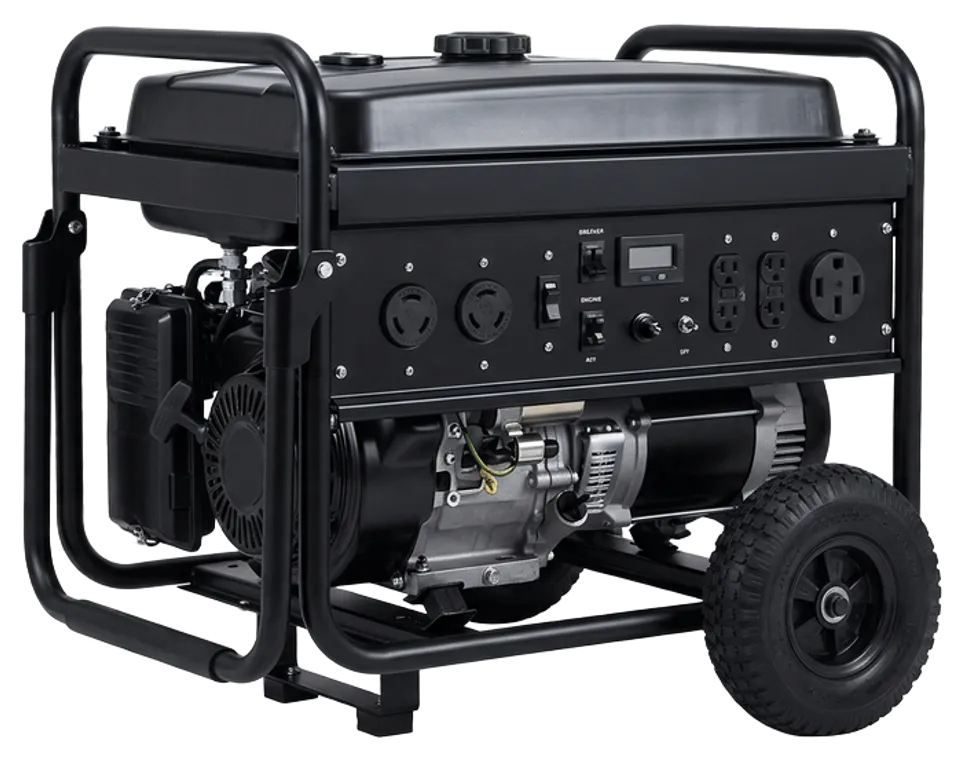
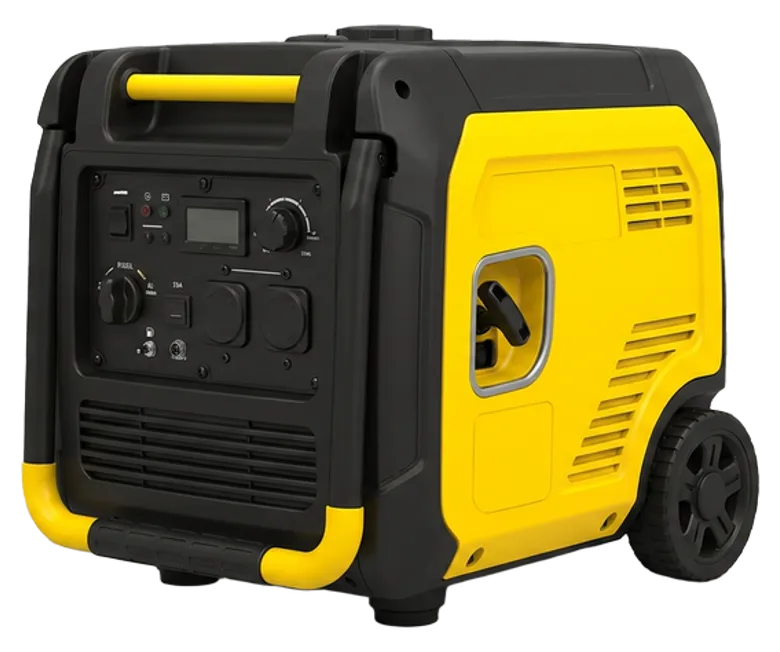
The best generator for Florida hurricane season is a dual-fuel portable generator with at least 7,500 running watts, a CO shutoff sensor, and an L14-30R outlet for transfer-switch connection. The Westinghouse iGen5000DFc (3,900W) and DuroMax XP12000EH (9,500W) are top picks. Dual-fuel is critical because gasoline shortages are common after hurricanes — propane stores indefinitely.
Does salt air affect generators in Florida?
Yes. Florida coastal homeowners should be aware that salt air corrodes metal components, fuel lines, and electrical connections on gas generators. To protect your generator: store it in a garage or shed between uses, apply corrosion-resistant spray to metal parts, and inspect fuel lines and electrical connections before each use. Solar generators are less affected by salt air because they have no combustion engine or metal fuel system.
Can I run a generator during a Florida hurricane?
Yes, but only if it is safely outdoors at least 20 feet from any door, window, or vent. During high winds, secure the generator with tie-downs and use a purpose-built generator tent for rain protection. Never refuel a running or hot generator. After the storm passes, inspect the generator for water damage before restarting. Solar generators can be used indoors during the storm for phones, lights, and CPAP.
How much fuel should I store for Florida hurricane season?
Store at least 20 gallons of gasoline (in approved containers with fuel stabilizer) and one 20lb propane tank for a dual-fuel generator. A 7,500W generator uses approximately 0.75 gallons per hour at 50% load, so 20 gallons provides about 26 hours of runtime. Florida law allows storing up to 25 gallons of gasoline in approved containers in a residential garage.
Are standby generators common in Florida?
Yes. Florida has one of the highest standby generator adoption rates in the US, driven by hurricane season. Generac is the dominant brand with 70% market share. A 22kW Generac standby generator on natural gas or propane provides automatic, whole-house backup that starts within 30 seconds of an outage. Installation costs $8,000 to $15,000 including the generator, transfer switch, and electrical work.
Is propane or gasoline better for Florida hurricane prep?
Propane is better for Florida hurricane prep because it stores indefinitely and remains available when gasoline supply chains are disrupted after a storm. Gasoline goes bad in 3 to 6 months without stabilizer and requires rotation. A dual-fuel generator gives you both options: gasoline for maximum wattage, propane for long-term storage and emergency availability. Store both — gasoline for immediate use, propane for extended outages.
Affiliate disclosure:
We earn commissions from qualifying purchases made through links on this page, at no extra cost to you.
Our recommendations are based on independent research and testing.
Read full disclosure.