Best Generators for Maine 2026: Winter Nor’easters, Ice Storms, and Off-Grid Cabin Prep

Last updated:

Fact-checked by Marcus Hayes, Master Electrician (License #CA-EL-89241), 15 years generator installation experience.

Maine homeowners face some of the longest and most frequent winter power outages in the US. Nor’easters, ice storms, and downed trees routinely knock out power for several days, and rural homes on well pumps and electric furnaces are especially vulnerable. This guide covers the best generators for Maine winter prep, cold-start performance, propane storage, off-grid cabin use, and standby generator installation for coastal and inland Maine residents.

Key Takeaways

  • Maine faces long winter outages from nor’easters, ice storms, and downed trees — peak season runs December through March, with outages commonly lasting several days.
  • Dual-fuel generators are essential for Maine — propane stores indefinitely, stays usable in deep cold, and remains available when gasoline supplies are disrupted by storm road closures.
  • The DuroMax XP12000EH (9,500W) is the best generator for Maine homes, with enough power for refrigerator, furnace blower, well pump, and lights during multi-day outages.
  • Cold-start your generator with 5W-30 synthetic oil, a charged battery for electric-start models, and fresh fuel with stabilizer. Store the generator above freezing before use.
  • Solar generators like the EcoFlow Delta Pro 3 are ideal for indoor-safe backup during the storm itself, when outdoor placement is hazardous due to wind, snow, and ice.

Comparison Table

Key specs for all picks. Scroll horizontally on mobile to see all columns.

Comparison of best generators for maine 2026: winter nor’easters, ice storms & off-grid cabin prep
Model Award Running W Starting W Fuel Noise dBA Runtime L14-30 CO Shutoff Price Band Buy
Westinghouse iGen5000DFc Best Overall 3,900 5,000 gasoline, propane 52 18h @25% No Yes $800–$1,100 Buy Now
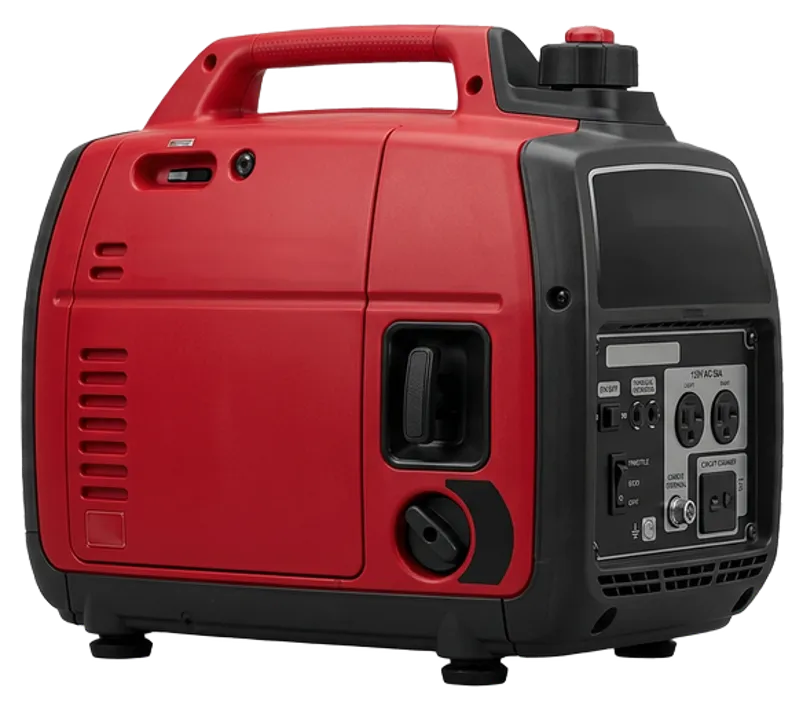
Honda EU2200i Quietest 1,800 2,200 gasoline 48 8.1h @25% No Yes $1,000–$1,300 Buy Now
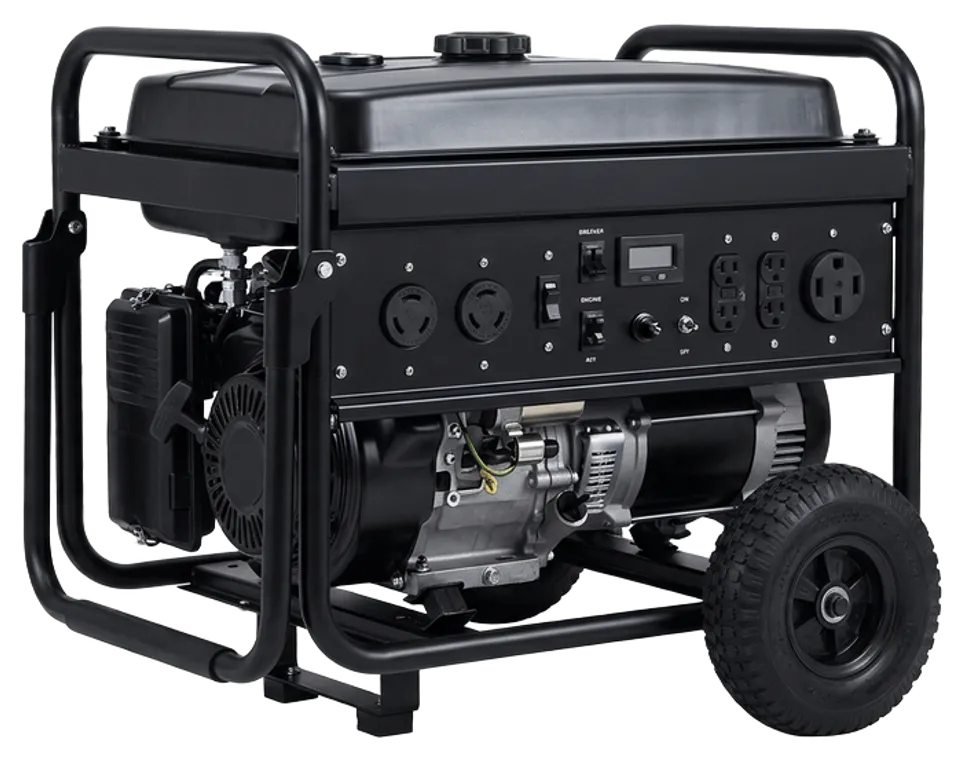
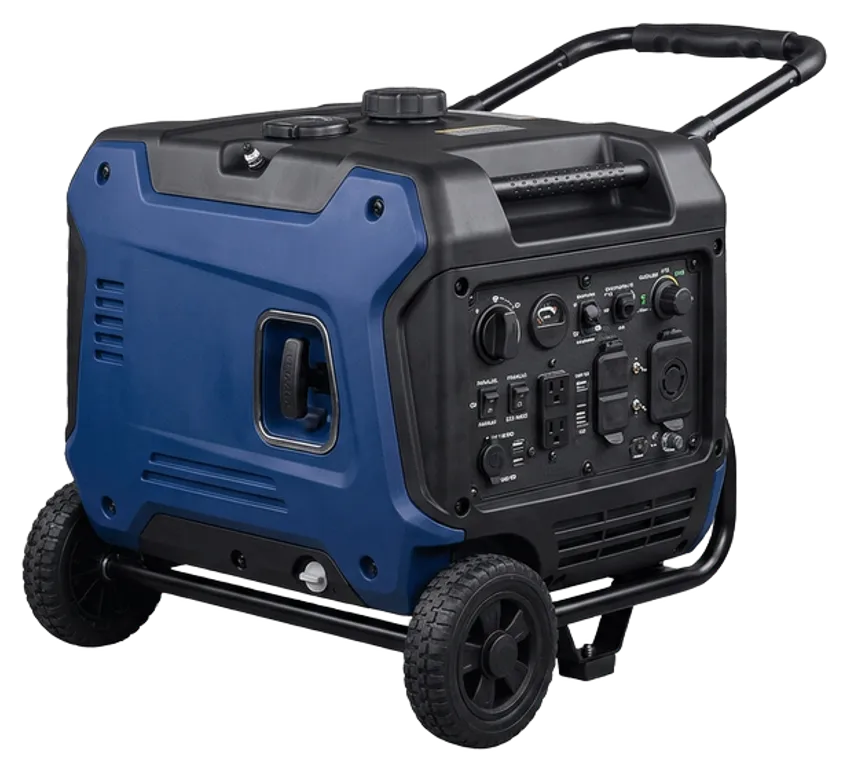
DuroMax XP12000EH Best for Whole-House Backup 9,500 12,000 gasoline, propane 74 19h @25% Yes Yes $1,100–$1,400 Buy Now
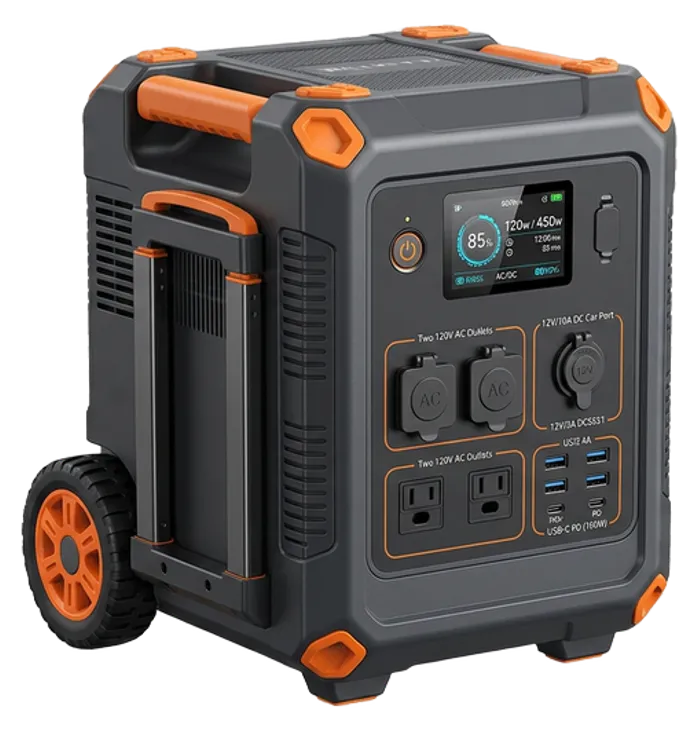
EcoFlow Delta Pro 3 Best Battery Backup 4,000 8,000 battery, solar — — Yes — $2,500–$3,500 Buy Now
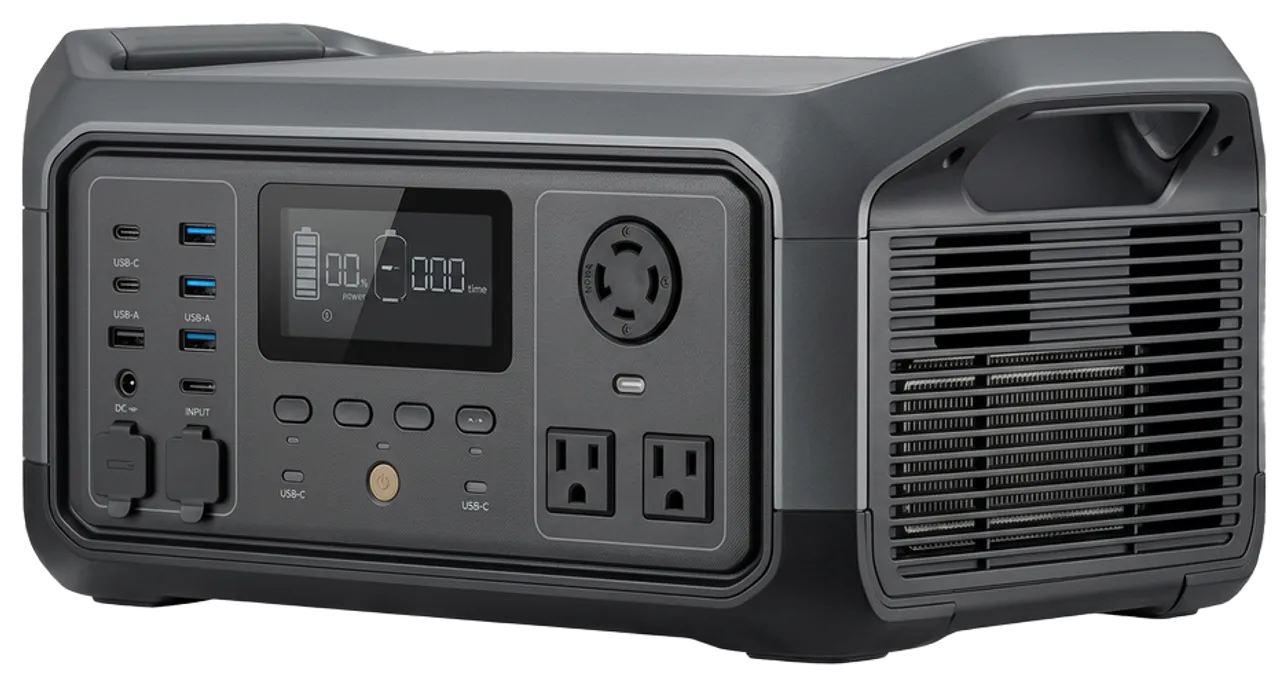
Bluetti Elite 200 V2 Best Value Power Station 2,600 3,900 battery, solar — — No — $800–$1,000 Buy Now

Top Picks

Maine winter outage risks

Maine faces three distinct winter outage threats. Nor’easters (December through March) bring heavy snow, wind, and coastal flooding that down power lines statewide. Ice storms (especially in inland and central Maine) coat lines and trees, causing widespread breakage that can leave entire regions dark for days. Rural homes on well pumps and electric furnaces lose both water and heat within hours. Coastal towns from Portland to Bar Harbor face additional storm surge and wind damage. Maine is the most forested state in the US, which means downed trees are the leading cause of outages during winter storms.

Cold-start performance for Maine winters

Cold-starting a generator at 0°F or below requires preparation. Use 5W-30 synthetic cold-weather oil instead of standard 10W-30. Keep the generator stored above freezing — a garage or heated shed — before the storm hits. For electric-start models, keep a battery tender on the battery so it has enough cranking power. Use fresh fuel with stabilizer; old gasoline may not ignite in cold conditions. Prime the carburetor if equipped. If the generator has sat outside, wheel it into a garage for 30 minutes before starting. Propane stays usable in deep cold and is the most reliable cold-weather fuel.

Maine Winter CO Risk

During Maine nor’easters and ice storms, carbon monoxide deaths increase as homeowners place generators indoors or too close to the house to protect them from snow and freezing temperatures. Never compromise the 20-foot rule, even during blizzards. Clear a level pad outside, use a purpose-built generator tent rated for snow load, and secure the generator with tie-downs. If outdoor placement is hazardous, use a solar generator indoors for phones, lights, and CPAP until conditions are safe.

Off-grid cabins and camps

Maine has a long tradition of off-grid camps and cabins, especially in the lakes region and the North Maine Woods. For off-grid use, a solar generator like the EcoFlow Delta Pro 3 paired with portable solar panels is the cleanest, quietest option for lights, a mini-fridge, a water pump, and device charging. For longer stays or winter use, pair a small inverter generator like the Honda EU2200i (1,800W, 48 dBA) with a solar generator — the gas generator recharges the battery during the day, and the battery runs silently at night. Always store gas generator fuel in approved containers away from the cabin.

Frequently Asked Questions

What is the best generator for Maine winter outages?
The best generator for Maine winter outages is a dual-fuel portable generator with at least 7,500 running watts, a CO shutoff sensor, and cold-start capability. The DuroMax XP12000EH (9,500W) is the top pick for Maine homes, with enough power to run a refrigerator, furnace blower, well pump, and lights during multi-day nor’easter outages. The Westinghouse iGen5000DFc (3,900W) is the best quieter, inverter-based pick for smaller homes and camps. Pair either with a solar generator like the EcoFlow Delta Pro 3 for indoor-safe backup during the storm itself.
How do I cold-start a generator in Maine winter?
To cold-start a generator in Maine winter, use 5W-30 synthetic cold-weather oil, keep the generator stored above freezing before use, use fresh fuel with stabilizer, and prime the carburetor if equipped. For electric-start models, keep a battery tender on the battery so it has enough cranking power at 0°F. If the generator has sat outside in sub-freezing temps, wheel it into a garage or shed for 30 minutes before starting. Never run a gas generator indoors, even during a nor’easter — CO kills.
Does propane work well in Maine winter?
Yes, propane is an excellent fuel for Maine winter backup. It stores indefinitely, does not gel or go stale like gasoline, and stays usable in deep cold. A dual-fuel generator with a 20 lb or 100 lb propane tank is the most reliable cold-weather setup. Gasoline goes stale over time and absorbs moisture in cold, humid conditions. Store both — gasoline for maximum wattage, propane for long-term storage and reliable cold starts.
How much fuel should I store for Maine winter?
Store enough gasoline for your planned outage length (in approved containers with fuel stabilizer), plus one 20 lb propane tank for a dual-fuel generator. Your generator’s owner’s manual lists fuel use per hour; multiply that figure by the outage hours you plan for to size your gasoline supply. Maine outages from nor’easters and ice storms routinely last several days. For rural homes on well pumps, double your fuel storage and consider a 100 lb propane tank for extended outages.
Are standby generators common in Maine?
Yes. Standby generator adoption is rising in Maine, especially in rural areas and coastal towns prone to nor’easters and ice storms. Generac is the dominant brand. A 22kW Generac Guardian on natural gas or propane provides automatic, whole-house backup that starts within 30 seconds of an outage — no refueling, no manual setup. Installation costs $8,000 to $15,000 including the generator, transfer switch, and electrical work. Many Maine homes are not on natural gas, so propane standby models are most common.
Can I run a generator during a Maine nor’easter?
Yes, but only outdoors at least 20 feet from any door, window, or vent. During heavy snow and wind, clear a level pad for the generator, secure it with tie-downs, and use a purpose-built generator tent rated for snow load — never a tarp, which traps exhaust and collapses under snow. Never refuel a running or hot generator. After the storm, brush off snow and inspect for water damage before restarting. Solar generators can be used indoors during the storm for phones, lights, and CPAP.

Affiliate disclosure: We earn commissions from qualifying purchases made through links on this page, at no extra cost to you. Our recommendations are based on independent research and testing. Read full disclosure.